
An Inside Sales Strategy has become one of the most effective growth levers for ecommerce businesses aiming to increase conversions, improve customer experience, and scale revenue without significantly increasing operational costs.
Introduction: Why Inside Sales Is Critical for Ecommerce Growth
Ecommerce is no longer limited to self-serve transactions. As product complexity, order values, and customer expectations rise, brands must blend automation with human-led selling. This is where a well-defined Inside Sales Strategy delivers measurable impact.
From B2B ecommerce and wholesale platforms to DTC brands selling high-ticket or subscription products, inside sales teams help guide buyers, answer objections, and accelerate purchase decisions. By operating remotely through digital channels, ecommerce companies gain scalability, speed, and cost efficiency.
A strong Inside Sales Strategy bridges the gap between online browsing and confident buying, creating trust-driven, conversion-focused customer journeys.
What Is an Inside Sales Strategy in Ecommerce?
An Inside Sales Strategy is a structured sales approach where representatives engage prospects remotely using tools such as email, phone calls, live chat, CRM systems, and video conferencing.
In the ecommerce context, this strategy supports:
- High-intent lead conversion
- Cart abandonment recovery
- Product consultations for complex SKUs
- B2B account-based selling
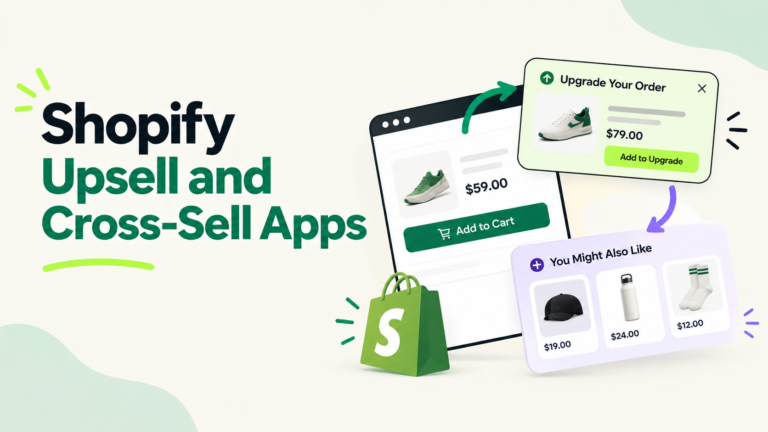
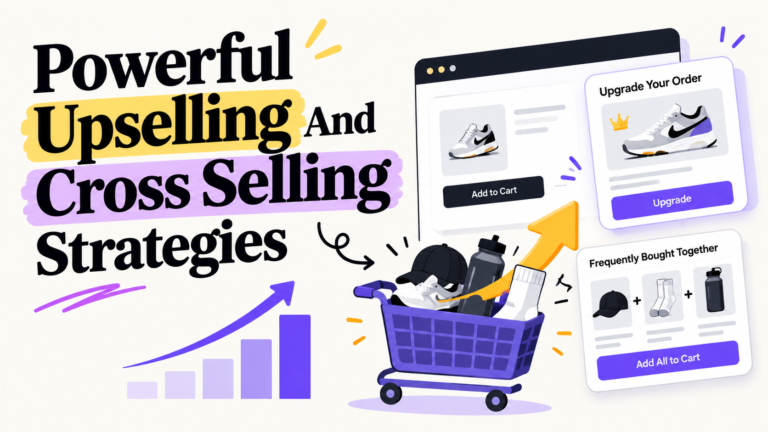
- Upselling and cross-selling initiatives
Unlike purely automated ecommerce funnels, an Inside Sales Strategy introduces human interaction at critical moments, increasing average order value and customer lifetime value.
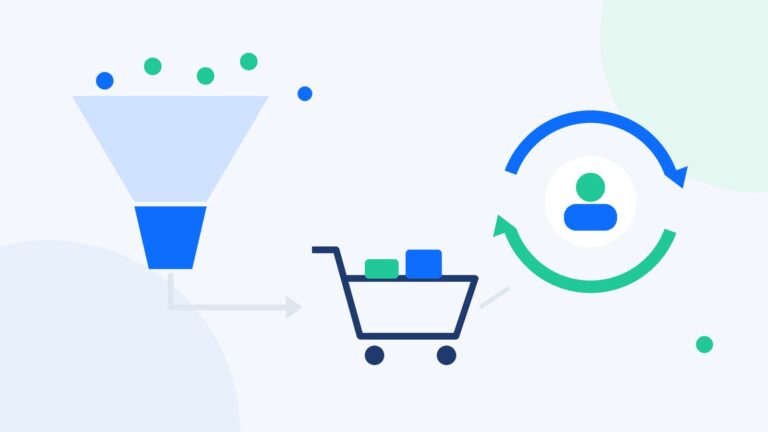
Read All About: 4 Ecommerce Sales Funnel Essentials for Scaling Your Store
Top 5 Inside Sales Strategy Techniques for Ecommerce Stores
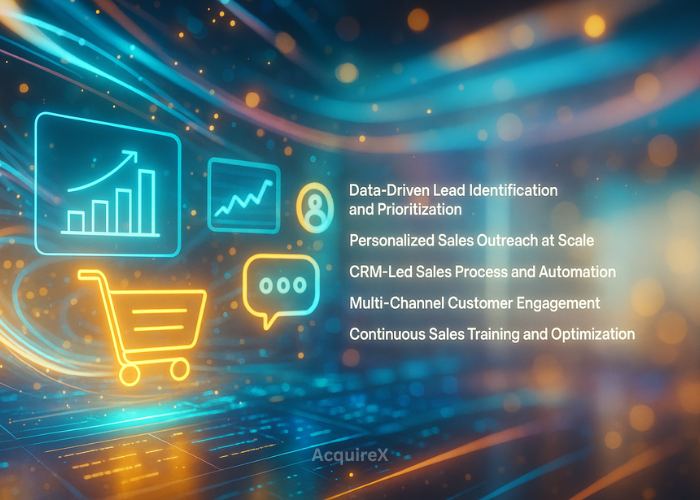
1. Data-Driven Lead Identification and Prioritization
The foundation of any scalable Inside Sales Strategy is accurate lead prioritization. Ecommerce platforms generate valuable behavioral data that reveals buyer intent.
High-quality signals include:
- Repeated visits to pricing or product comparison pages
- High cart values or bulk order attempts
- Downloading catalogs, spec sheets, or demos
- Returning users with incomplete checkouts
By integrating ecommerce analytics with CRM platforms, inside sales teams can focus on high-intent prospects instead of cold outreach, resulting in higher efficiency and faster deal closure.
2. Personalized Sales Outreach at Scale
Personalization is no longer optional. A modern Inside Sales Strategy uses customer data to deliver tailored messaging that feels relevant and timely.
Effective personalization strategies include:
- Referencing viewed or abandoned products
- Aligning messaging with industry or use case
- Using purchase history to suggest upgrades
- Timing outreach based on browsing behavior
For ecommerce brands, personalized inside sales outreach via email, WhatsApp, or live chat significantly improves engagement and conversion rates while maintaining scalability.
3. CRM-Led Sales Process and Automation
A CRM system is the backbone of a high-performing Inside Sales Strategy. It ensures consistency, visibility, and accountability across the sales pipeline.
CRM-driven processes help ecommerce teams:
- Track customer interactions across channels
- Automate follow-ups and reminders
- Assign leads based on intent or territory
- Monitor pipeline health and sales velocity
According to Salesforce, organisations using CRM systems report higher productivity and improved forecasting accuracy.
Read All About: Customer Relationship Management
4. Multi-Channel Customer Engagement
E-commerce buyers rarely convert after a single interaction. A successful Sales Strategy uses a multi-channel engagement model to stay visible throughout the decision journey.
Common inside sales touchpoints include:
- Live chat on product and checkout pages
- Follow-up emails after browsing or cart abandonment
- Phone calls for high-value or B2B orders
- Video demos for technical or customizable products
Consistent messaging across channels builds trust, reinforces brand credibility, and increases the likelihood of conversion.
5. Continuous Sales Training and Optimization
An effective Inside Sales Strategy evolves continuously. Ecommerce markets change rapidly, and sales teams must adapt to new products, buyer behaviors, and platforms.
Top-performing ecommerce organizations focus on:
- Regular sales coaching and call reviews
- Optimizing scripts based on real conversations
- A/B testing outreach sequences
- Reviewing win-loss data to refine targeting
This culture of optimization ensures inside sales teams remain aligned with business goals and customer expectations.
Inside Sales Strategy vs Traditional Ecommerce Selling Models
Traditional ecommerce relies heavily on automation and self-checkout experiences. While efficient, this model can limit growth for high-consideration purchases.
An Inside Sales Strategy adds:
- Human-led product guidance
- Real-time objection handling
- Personalized recommendations
- Relationship-building beyond the first sale
By combining automation with inside sales support, ecommerce brands unlock higher conversion rates and stronger long-term customer relationships.
Read All About: Top 5 Tips to Boost OpenCart Checkout Conversions
Technology Stack That Supports Inside Sales in Ecommerce
To execute a scalable Inside Sales Strategy, ecommerce brands typically rely on:
- CRM platforms for lead and pipeline management
- Live chat and chatbot solutions
- Email and messaging automation tools
- Call tracking and sales analytics software
- Ecommerce analytics and reporting dashboards
When these systems are integrated, inside sales teams gain a unified view of the customer, enabling smarter outreach and data-driven selling decisions.
Best Practices for Implementing Inside Sales Strategy Successfully
To maximize ROI, ecommerce businesses should:
- Align sales and marketing on lead qualification criteria
- Define clear KPIs for inside sales performance
- Invest in training and enablement tools
- Maintain consistent communication across channels
- Analyze sales data regularly for insights
A disciplined, data-first approach ensures your Sales Strategy delivers predictable and sustainable growth.
Final Thoughts
An Inside Sales Strategy is no longer a nice-to-have for e-commerce brands. It is a competitive necessity. As customer journeys become more complex and expectations rise, inside sales teams provide the human connection that drives trust and conversions.
When executed correctly, an Inside Sales Strategy transforms ecommerce from a transactional model into a scalable, relationship-driven revenue engine.
To explore more e-commerce growth frameworks and sales enablement insights, visit our internal resource hub: Sales Enablement And Account Growth
FAQ’s
1. What is an Inside Sales Strategy in e-commerce?
An Inside Sales Strategy in ecommerce is a structured approach where sales representatives engage customers remotely through email, phone, live chat, and CRM tools to guide purchase decisions, close high-value orders, and improve conversions without in-person meetings.
2. How does an Inside Sales Strategy improve e-commerce conversions?
An Inside Sales Strategy improves e-commerce conversions by providing personalised, human-led support during high-intent moments, such as cart abandonment, product comparison, or bulk purchasing. This helps address objections, build trust, and increase average order value.
3. Is an Inside Sales Strategy suitable for small e-commerce businesses?
Yes, it is highly effective for small e-commerce businesses because it is scalable and cost-efficient. With the right CRM tools and targeted outreach, small teams can convert high-intent leads, manage B2B accounts, and compete with larger brands.