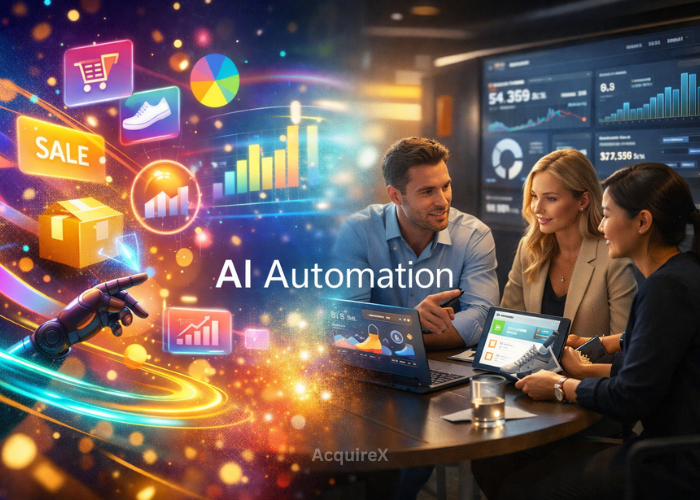
E-commerce has evolved rapidly in the last decade, but the real transformation is happening now through AI Automation. From automated product recommendations to intelligent inventory forecasting, AI-driven technologies are reshaping how online businesses sell, engage customers, and optimize operations.
Today’s digital shoppers expect faster responses, personalized experiences, and seamless purchasing journeys. Manual processes can no longer keep up with these demands. This is where AI Automation becomes essential. By combining artificial intelligence with automated workflows, businesses can analyze large data sets, predict customer behavior, and execute actions instantly.
For modern e-commerce brands, adopting AI Automation is no longer a luxury, it’s a competitive necessity.
Understanding AI Automation in E-commerce
AI Automation refers to the integration of Artificial Intelligence Technologies with automated systems to perform tasks without constant human intervention. In the e-commerce ecosystem, it can manage repetitive processes, analyze customer data, and make intelligent decisions in real time.
Unlike traditional automation that simply follows pre-defined rules, Artificial Intelligence Automation learns from data and continuously improves performance.
Common applications include:
- Personalized product recommendations
- Automated marketing campaigns
- Smart customer support chatbots
- Predictive inventory management
- Dynamic pricing optimization
These capabilities help businesses operate faster while maintaining high levels of customer satisfaction.
Why AI Automation Matters for Online Sales
The e-commerce industry generates massive amounts of data, from customer browsing patterns to purchase history. Without intelligent systems, this data remains underutilized.
The Artificial Intelligence Automation transforms this data into actionable insights that improve sales performance.
Key benefits include:
1. Faster Customer Interactions
AI-powered systems respond instantly to customer queries, improving response times and reducing cart abandonment.
2. Data-Driven Sales Strategies
By analyzing buying behavior, AI Automation identifies patterns and predicts future purchasing trends.
3. Reduced Operational Costs
Automating repetitive tasks allows businesses to reduce manual workload and focus on strategic growth.
4. Better Customer Experiences
AI-driven personalization ensures customers see relevant products and offers tailored to their preferences.
These advantages make Artificial Intelligence Automation one of the most powerful technologies shaping modern e-commerce sales strategies.
Key Applications of AI Automation in E-commerce
The impact of Artificial Intelligence Automation can be seen across multiple areas of the online retail ecosystem.
Intelligent Product Recommendations
One of the most widely used features of AI Automation is personalized product recommendations. By analyzing browsing history, purchase behavior, and user preferences, AI algorithms recommend products that customers are more likely to buy.
This significantly improves conversion rates and average order value.
Automated Customer Support
Customer service is critical in online retail. AI Automation enables businesses to deploy AI-powered chatbots that provide instant support, answer frequently asked questions, and guide users through the purchasing process.
These systems operate 24/7, ensuring customers receive assistance even outside business hours.
Predictive Inventory Management
Inventory mismanagement can lead to stockouts or excess inventory, both costly for e-commerce businesses.
With AI Automation, predictive analytics forecast demand based on historical sales data, seasonal trends, and consumer behavior. This helps retailers maintain optimal stock levels.
Smart Pricing Optimization
Pricing strategies can significantly influence purchasing decisions. AI Automation enables dynamic pricing models that adjust product prices based on demand, competition, and market conditions.
This ensures businesses remain competitive while maximizing profit margins.
Read All About: Top 5 Effective Pricing Strategies for E-commerce Growth
Automated Marketing Campaigns
Marketing teams often struggle to personalize campaigns for large audiences. The Artificial Intelligence Automation solves this by automatically segmenting customers and delivering targeted email campaigns, ads, and product promotions.
The result is higher engagement and better ROI.
The Role of AI Automation in Personalization
Personalization is one of the biggest drivers of online sales today.
Customers expect tailored shopping experiences, and AI Automation makes this possible at scale.
Examples include:
- Personalized homepage layouts
- AI-generated product bundles
- Smart email recommendations
- Behavioral targeting for ads
By analyzing behavioral data in real time, Artificial Intelligence Automation helps businesses deliver the right message to the right customer at the right time.
Challenges of Implementing AI Automation
Despite its advantages, adopting AI Automation requires careful planning.
Some common challenges include:
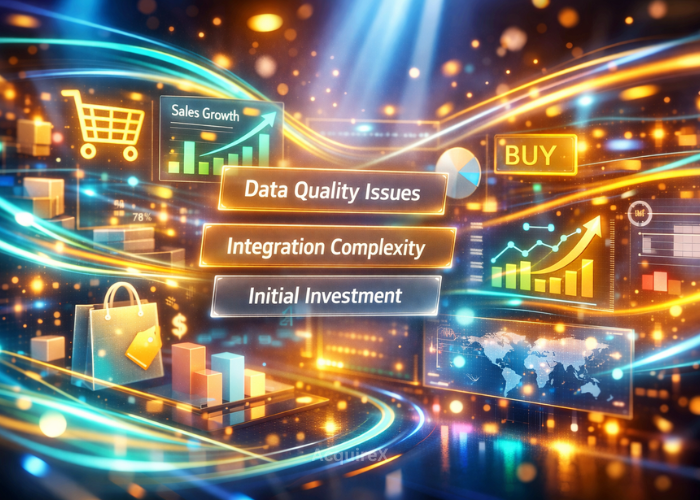
Data Quality Issues
AI systems rely on high-quality data. Poor data management can lead to inaccurate predictions.
Integration Complexity
Integrating AI solutions with existing e-commerce platforms may require technical expertise.
Initial Investment
While Artificial Intelligence Automation reduces long-term costs, the initial setup may require investment in technology and infrastructure.
However, the long-term benefits typically outweigh these challenges, especially for businesses aiming to scale.
Future Trends of AI Automation in E-commerce
The future of online retail will be heavily shaped by Artificial Intelligence Automation. Emerging technologies are already pushing the boundaries of what automation can achieve.
Key trends include:
Hyper-Personalized Shopping Experiences
AI systems will analyze deeper behavioral signals to create highly customized shopping journeys.
Voice and Conversational Commerce
Voice assistants and conversational AI will automate purchasing processes through natural language interactions.
Autonomous Supply Chains
Advanced Artificial Intelligence Automation will manage entire supply chains, from demand forecasting to delivery optimization.
AI-Powered Visual Search
Customers will be able to upload images to find similar products instantly.
These innovations will further strengthen the role of AI Automation in the digital commerce ecosystem.
Implementing AI Automation in Your E-commerce Strategy
Businesses planning to adopt Artificial Intelligence Automation should follow a structured approach.
Key steps include:
- Identify repetitive processes suitable for automation
- Collect and organize high-quality customer data
- Choose scalable AI tools or platforms
- Train teams to work alongside AI systems
- Continuously monitor and optimize performance
Companies that adopt AI Automation strategically can achieve faster growth, improved efficiency, and stronger customer relationships.
Final Thoughts
The e-commerce industry is entering a new era powered by intelligent technology. Artificial Intelligence Automation is no longer just an operational tool, it has become a strategic driver of growth, efficiency, and customer experience.
From personalized shopping journeys to predictive inventory management, AI Automation allows businesses to operate smarter and faster in an increasingly competitive digital marketplace.
Organizations that embrace this transformation today will be better positioned to scale, innovate, and lead the future of online retail.
As AI technology continues to evolve, the role of Artificial Intelligence Automation in e-commerce will only become more significant, reshaping how businesses sell and how customers shop in the digital economy.
FAQ’s
What is AI Automation in e-commerce?
The Artificial Intelligence Automation in e-commerce uses artificial intelligence and automated systems to handle tasks like customer support, product recommendations, and inventory management with minimal human involvement.
How does AI Automation improve e-commerce sales?
It boosts sales through personalized recommendations, automated marketing, dynamic pricing, and faster customer support, improving conversions and engagement.
What are the main applications of AI Automation in e-commerce?
Common uses of Artificial Intelligence Automation include AI chatbots, product recommendations, predictive inventory management, automated email marketing, and smart pricing strategies.
Is AI Automation suitable for small e-commerce businesses?
Yes, AI Automation tools are scalable and affordable, helping small businesses automate marketing, manage inventory, and personalize customer experiences.
What is the future of AI Automation in e-commerce?
The future of AI Automation includes hyper-personalization, voice commerce, automated supply chains, and advanced predictive analytics.