
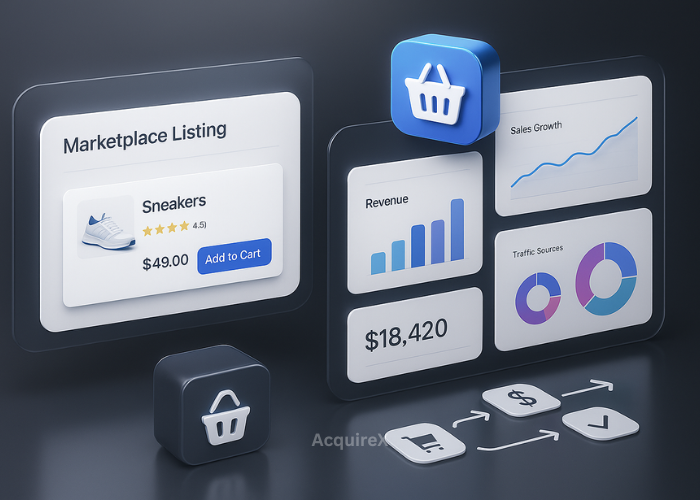
In today’s rapidly evolving e‑commerce landscape, a well-crafted Marketplace Listing can make the difference between invisibility and thriving sales. Whether you’re a small business owner dipping your toes into online markets or an e‑commerce expert scaling operations, understanding how to optimize your Marketplace Listing is essential. This guide provides actionable insights to help you master your Marketplace Listing for maximum sales and long-term growth.
Why Marketplace Listing Matters in E‑Commerce
A high-quality Marketplace Listing does more than showcase your products, it establishes your brand presence, signals trust to buyers, and helps you stand out amid intense competition. Marketplaces are crowded with sellers, and without an optimized listing, your product may get buried under dozens or hundreds of pages. By mastering your Marketplace Listing, you ensure your product appears in relevant searches, compels buyers, and builds your brand reputation over time.
Marketplaces often rank products based not only on price but also on listing quality. Detailed product descriptions, optimized titles, relevant keywords, professional images, and clear shipping information collectively affect search ranking. A thoughtfully crafted Marketplace Listing becomes a long-term asset, driving organic visibility and repeat sales long after launch.
Moreover, a strong Marketplace Listing allows sellers to leverage marketplace analytics to refine strategies. Tracking click-through rates, conversion rates, and customer engagement helps identify which listings resonate most with buyers. Sellers who actively analyze performance data can fine-tune listings, pricing strategies, and product positioning to maximize ROI.
Check out Page: Marketplace Management
Key Components of a High‑Performing Marketplace Listing
To truly master your Marketplace Listing for maximum sales, focus on these critical components:
Product Title & Keywords
Optimize your product title with relevant keywords to boost search visibility.
Detailed Product Description
Create clear, compelling descriptions highlighting features, benefits, and use cases.
High-Quality Images and Media
Use high-resolution images, videos, and 360° views to engage buyers effectively.
Pricing, Shipping & Policies
Clearly mention price, shipping options, return, and other policies to build trust.
Reviews & Social Proof
Customer reviews and ratings boost trust and drive purchases.
1. Product Title & Keywords
Your product title should be clear, concise, and keyword-rich. Include relevant search terms your target customers are likely to use, such as brand, model, size, color, or key features. Avoid keyword stuffing — readability matters. Embed the phrase Marketplace Listing naturally when writing guides, tips, or listing descriptions.
A strong title not only improves search visibility but also immediately communicates product value. Consider including unique selling points (USPs) in the title when space allows. For example, “Eco-Friendly Bamboo Toothbrush – 100% Biodegradable | Pack of 4” is far more compelling than “Bamboo Toothbrush.”
2. Detailed Product Description
A high-converting Marketplace Listing answers buyer questions before they ask them. Highlight what the product is, the problems it solves, and its key features and benefits. Use bullet points for clarity and readability. Include size, material, dimensions, usage instructions, care guidelines, or warranty info. Comprehensive descriptions reduce returns and increase buyer confidence.
Additionally, storytelling in descriptions can elevate engagement. Explain how the product fits into a customer’s daily life, solves common problems, or enhances lifestyle. Descriptions that connect emotionally with buyers often improve conversion rates.
3. High-Quality Images and Media
Visuals play a major role in buyer decisions. Use multiple high-resolution images showing various angles, close-ups, context shots, and usage examples. Adding a short demo video or 360° view enhances perceived value. High-quality visuals in your Marketplace Listing significantly improve trust and conversion rates.
Including lifestyle images or showing the product in use can also help buyers visualize the purchase, which is especially important for new or unique products. A comprehensive visual strategy ensures buyers have all the information they need without ambiguity.
4. Pricing, Shipping & Policies
Transparent pricing and shipping information build credibility. Clearly state price, discounts, delivery timelines, shipping costs, and return or exchange policies. Hidden or ambiguous details discourage buyers. A trustworthy Marketplace Listing helps convert hesitant shoppers into buyers.
Consider offering free shipping or bundle discounts when possible, as these incentives increase perceived value. Highlighting your flexible return policy in the listing itself reassures customers and can reduce purchase hesitation.
Supply Chain Management : We take care of your backend operations — from vendor coordination to invoice reconciliation — so your order flow runs seamlessly and error-free.
5. Reviews & Social Proof
Encourage early buyers to leave reviews. Positive reviews, high ratings, and real user photos boost buyer confidence. A Marketplace Listing with strong social proof signals reliability and increases conversion rates. Respond promptly to questions or feedback to maintain trust.
Displaying verified buyer testimonials or star ratings prominently in your listing can increase buyer trust further. Regularly updating reviews or featuring top customer feedback helps maintain a fresh and credible Marketplace Listing.
How to Optimize Your Marketplace Listing for SEO
Mastering Marketplace Listing SEO is about both user appeal and search visibility:
- Use relevant keywords intelligently: Include primary and secondary keywords in titles, bullet points, and descriptions without stuffing.
- Leverage backend search terms / tags: Capture synonyms, alternate spellings, and common misspellings in hidden tags.
- Use structured data (where supported): Implement rich snippets for price, reviews, and availability to enhance SERP Visibility.
- Optimize images: Use descriptive file names, alt text, and compress images for fast loading.
- Update listings regularly: Refresh product descriptions, stock, and images to maintain relevancy and visibility.
Regular SEO optimization ensures your Marketplace Listing not only attracts buyers but also keeps pace with marketplace algorithm changes and evolving customer search behaviors.
Common Mistakes to Avoid
Even experienced sellers make avoidable errors. Avoid these:
- Keyword stuffing, reducing readability.
- Vague or overly short descriptions.
- Low-quality images.
- Hidden fees or unclear policies.
- Ignoring reviews or negative feedback.
Correcting these mistakes ensures your Marketplace Listing remains effective and builds long-term trust with customers.
Ownership & Launch of the Concept
The modern concept of online marketplaces, where third-party sellers list products, traces back to early internet auction platforms of the late 1990s and early 2000s. Major global platforms later refined the “marketplace + listing” model. While no single owner exists, marketplace innovators and tech pioneers have collectively shaped how sellers craft effective Marketplace Listings today.
Why a Well-Built Marketplace Listing Builds Trust
A transparent, informative Marketplace Listing signals professionalism. Buyers understand exactly what they’re purchasing, size, features, shipping timelines, and policies. Trust reduces hesitation and increases checkout likelihood.
Consistency across listings, in photos, descriptions, and brand voice, reinforces brand identity. A shopper who trusts one product is more likely to explore others.
Real-World Example: Marketplaces That Succeed
Platforms like Shopify and Amazon attract buyers because they enable sellers to create optimized, standardized listings — simplifying comparison, selection, and trust-building. Data shows products with comprehensive titles, descriptions, and images sell significantly faster than those with minimal listings.
Step-by-Step Checklist to Master Marketplace Listing
- Draft a clear, concise, keyword-rich product title.
- Write an engaging description answering key buyer questions.
- Use bullet points for features, size, materials, and usage.
- Upload multiple high-resolution images (angles, context, usage).
- Add videos or 360° views where possible.
- Clearly state price, shipping, delivery, and returns.
- Add backend search tags/keywords for alternate spellings or synonyms.
- Encourage customer reviews and respond promptly.
- Periodically update listings to reflect current stock and details.
- Monitor performance metrics and optimize accordingly.
How Professionals Leverage Marketplace Listing for Growth
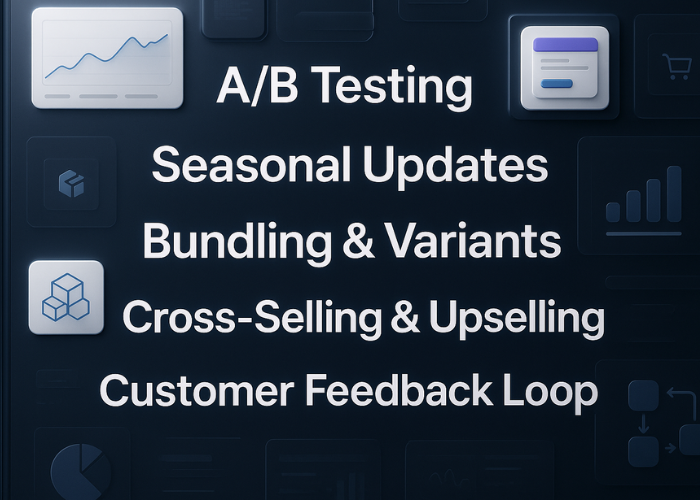
- A/B Testing: Test variations of titles and descriptions for higher conversions.
- Seasonal Updates: Highlight holiday or seasonal benefits.
- Bundling & Variants: Offer product bundles or size/color options.
- Cross-Selling & Upselling: Link related products to increase average order value.
- Customer Feedback Loop: Use reviews and questions to refine listings and product offerings.
Conclusion
Mastering your Marketplace Listing is key to driving visibility, trust, and conversions in online commerce. Investing time in high-quality titles, descriptions, visuals, and policies can transform a simple listing into a powerful sales engine. By analyzing performance metrics and updating your listing regularly, you ensure your products remain competitive and appealing.
Whether starting with one product or scaling an entire catalog, focus on optimization, trust, and continuous improvement to achieve maximum sales. Your Marketplace Listing is often the first impression a buyer gets, make it count.
FAQ’s
What makes a Marketplace Listing effective?
Many sellers and buyers search for what defines an effective, high-converting Marketplace Listing. Key factors include: clear and keyword-rich titles, detailed product descriptions, high-quality visuals, transparent pricing and shipping information, mobile optimization, and trustworthy social proof such as reviews and ratings.
How do I write a compelling title and product description for my Marketplace Listing?
This question is very common — people want to know how to write the title and description so their listing gets found and converts. It’s about using relevant keywords without overstuffing, highlighting product features and benefits, writing for clarity, and using bullet points or structured descriptions to answer buyers’ basic questions.
Why am I not getting views or sales even after listing, what are common mistakes to avoid?
Many sellers notice low visibility or poor conversion even after listing products. Common mistakes include vague or incomplete descriptions, poor or insufficient images, unclear shipping/pricing or hidden fees, too much competition, or weak/irrelevant keywords — all of which hurt visibility and trust.