In today’s competitive digital marketplace, brands can no longer rely on manual campaigns and scattered tools. Ecommerce Marketing Automation has emerged as the backbone of scalable growth, helping online businesses deliver personalized experiences, recover lost revenue, and optimize marketing ROI.
Whether you’re a startup launching your first online store or an enterprise brand managing millions of customers, the right automation strategy can transform how you attract, nurture, and convert buyers.
What Is Ecommerce Marketing Automation?
Ecommerce Marketing Automation refers to the use of software, AI-driven workflows, and data analytics to automate marketing tasks for online stores. These tasks include email campaigns, SMS notifications, retargeting ads, product recommendations, customer segmentation, and behavioral tracking.
Instead of sending generic messages to everyone, automation enables:
- Real-time personalization
- Behavior-triggered communication
- Lifecycle-based campaigns
- Data-backed decision-making
According to research by McKinsey & Company, businesses that leverage personalization effectively see substantial revenue growth. This makes automation a strategic growth asset rather than just a marketing tool.
Why Ecommerce Marketing Automation Matters in 2026
The e-commerce ecosystem is evolving rapidly. Customer acquisition costs are increasing, and consumer expectations are higher than ever.
Here’s why Ecommerce Marketing Automation is critical:
1. Increased Market Competition
Automation ensures consistent engagement without increasing operational workload.
2. Personalization at Scale
Modern buyers expect relevant product suggestions and timely follow-ups.
3. Multi-Channel Customer Journeys
Customers interact through email, SMS, paid ads, and Marketplaces. Automation synchronizes communication across platforms.
4. First-Party Data Utilization
With privacy-first marketing becoming essential, automation helps brands leverage owned data effectively.
Core Components of Ecommerce Marketing Automation
A high-performing Ecommerce Marketing Automation system includes:
1. Advanced Customer Segmentation
Segment users based on behavior, purchase frequency, average order value, and engagement history.
2. Automated Email Workflows
Essential sequences include:
- Welcome series
- Abandoned cart recovery
- Post-purchase nurturing
- Replenishment reminders
- Win-back campaigns
3. SMS & Push Notification Automation
Time-sensitive offers and transactional updates improve open rates and conversions.
4. AI-Powered Product Recommendations
Machine learning engines suggest products based on browsing and purchase behavior.
5. CRM Integration & Behavioral Tracking
Data-driven insights help refine campaigns and increase ROI.
For deeper marketing automation best practices, refer to resources from HubSpot.
Implementation Framework for Ecommerce Marketing Automation
To successfully deploy Ecommerce Marketing Automation, follow this structured framework:
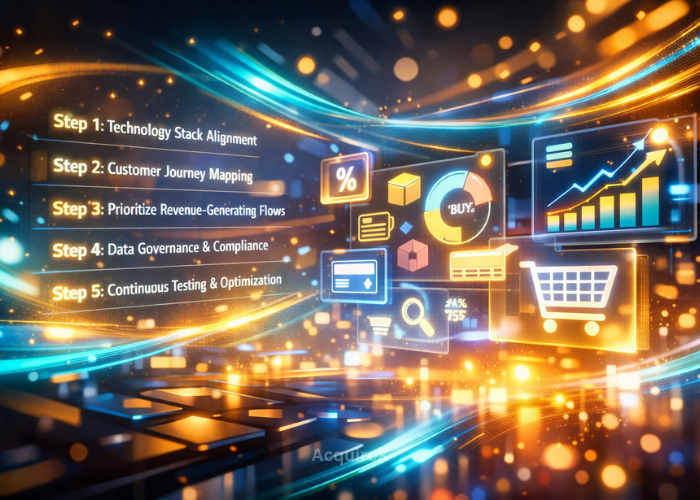
Step 1: Technology Stack Alignment
Ensure seamless integration between e-commerce platforms, CRM, and automation tools.
Step 2: Customer Journey Mapping
Define lifecycle stages from acquisition to retention and loyalty.
Step 3: Prioritize Revenue-Generating Flows
Start with abandoned Cart, welcome series, and post-purchase automation.
Step 4: Data Governance & Compliance
Implement consent-based tracking and maintain data accuracy.
Step 5: Continuous Testing & Optimization
Use A/B testing and analytics dashboards to improve engagement metrics.
ROI & Performance Metrics to Track
To measure Ecommerce Marketing Automation effectiveness, monitor:
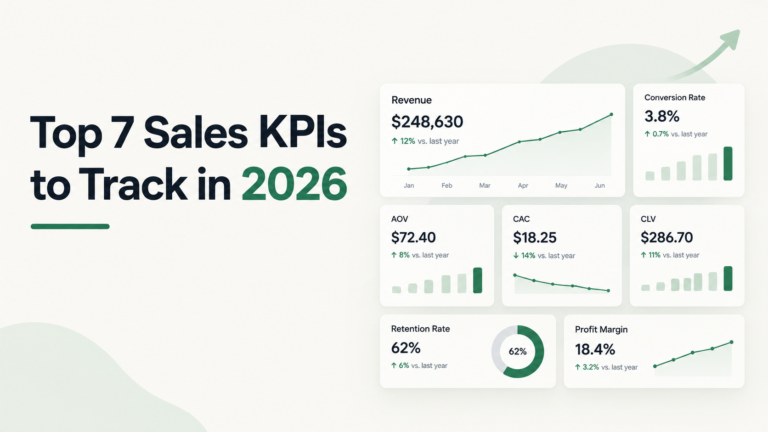
- Conversion rate
- Cart recovery rate
- Customer Lifetime Value (CLV)
- Email open and click-through rates
- Revenue per subscriber
- Return on Ad Spend (ROAS)
Consistent monitoring ensures scalable and sustainable growth.
Common Mistakes to Avoid
Even well-implemented Ecommerce Marketing Automation systems can underperform if mismanaged.
Avoid these mistakes:
- Over-automation without personalization
- Excessive message frequency
- Poor segmentation
- Ignoring high-value customers
- Neglecting analytics insights
Automation should enhance strategy, not replace thoughtful planning.
Future Trends in Ecommerce Marketing Automation
The evolution of E-commerce Marketing Automation will be shaped by:
Predictive AI Campaign Optimization
Campaigns will be optimized using predictive analytics before launch.
Hyper-Personalized Dynamic Content
Real-time content adaptation based on micro-behaviors.
Conversational & Voice Commerce Integration
Automation workflows triggered via conversational interfaces.
Privacy-First Automation Systems
Greater reliance on first-party data and consent-driven marketing models.
Businesses that invest early in intelligent automation systems will gain a lasting competitive advantage.
Final Thoughts
Ecommerce Marketing Automation is no longer optional, it is a foundational pillar of sustainable e-commerce growth. By integrating AI, segmentation, and lifecycle marketing, brands can create seamless customer journeys that drive revenue and retention.
The real power of E-commerce Marketing Automation lies in combining technology with strategy. When executed effectively, it transforms marketing from reactive campaigns into a predictive, revenue-generating engine.
FAQ’s
What is Ecommerce Marketing Automation?
Ecommerce Marketing Automation uses software and AI tools to automate emails, SMS, segmentation, and personalized campaigns. It tracks customer behavior in real time and triggers relevant messages to improve engagement and conversions.
How does Ecommerce Marketing Automation increase sales?
It increases sales through targeted workflows like abandoned cart emails, personalized product recommendations, and post-purchase follow-ups. These automated touchpoints help recover lost revenue and encourage repeat purchases.
Which tools support Ecommerce Marketing Automation?
Popular tools include HubSpot, Klaviyo, and Salesforce. These platforms offer automation workflows, CRM integration, segmentation, analytics, and AI-driven personalization features.
Is Ecommerce Marketing Automation suitable for small businesses?
Yes. It is scalable and budget-friendly for small e-commerce stores. Businesses can start with simple workflows like welcome emails and cart recovery, then expand into advanced automation as they grow.
What metrics measure Ecommerce Marketing Automation success?
Track metrics like conversion rate, cart recovery rate, Customer Lifetime Value (CLV), email open and click rates, and Return on Ad Spend (ROAS) to evaluate overall performance and revenue impact.