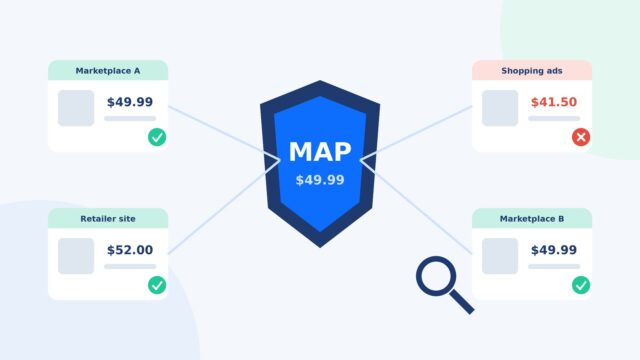
MAP Policy for Ecommerce Brands: How to Write, Monitor, and Enforce It
Learn what a MAP policy is, what to include, how to monitor advertised prices on Amazon, Walmart and Google Shopping, and how to enforce it without legal risk.

Learn what a MAP policy is, what to include, how to monitor advertised prices on Amazon, Walmart and Google Shopping, and how to enforce it without legal risk.
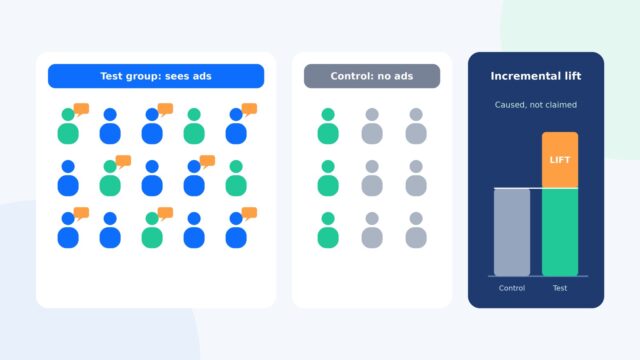
Incrementality testing shows which ad spend really creates sales. Learn lift studies, geo holdouts, iROAS math, test design, and how to act on the results.
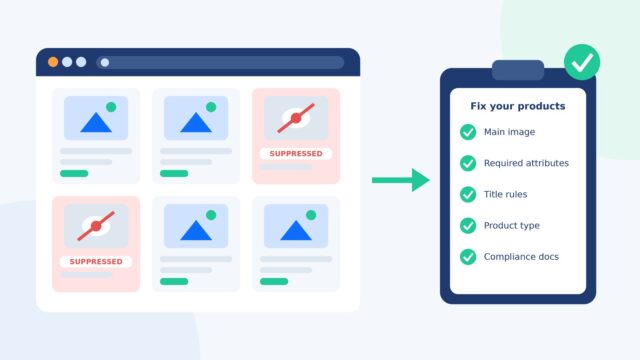
Amazon suppressed listings are hidden from search until fixed. Learn the causes, how to find them in Seller Central, step-by-step fixes, and how to prevent them.
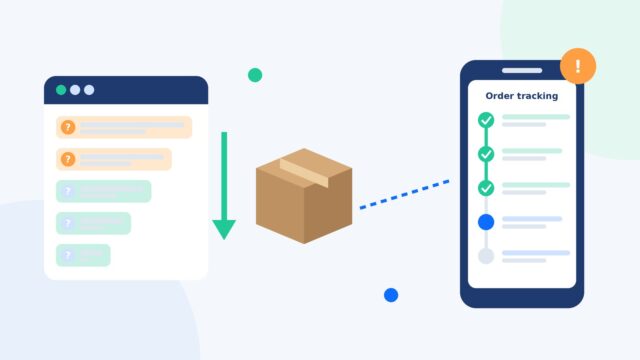
Learn how to reduce WISMO tickets at the source: honest delivery promises, first-scan alerts, tracking pages, exception queues, macros and a 30-day plan.
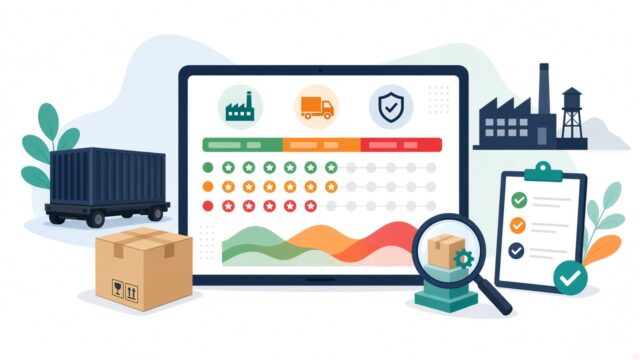
Build a supplier scorecard for your ecommerce brand: which KPIs to track, how to weight and score factories, freight and 3PLs, formulas, and what to do next.
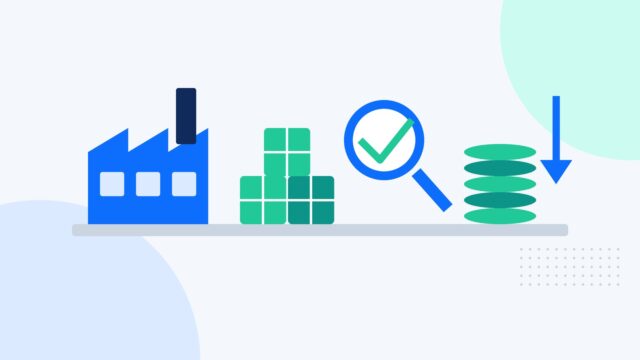
Learn how ecommerce brands cut COGS without losing quality: supplier vetting, negotiation levers, PO management, QC inspections, landed cost and sourcing risk.

Ecommerce supply chain management guide: demand forecasting, safety stock, inventory, landed cost, 3PL fulfillment, returns, KPIs and a dedicated ops team.

Ecommerce customer service outsourcing guide: channels, SLAs, helpdesks, WISMO and returns, KPIs, and in-house vs BPO vs dedicated offshore team compared.
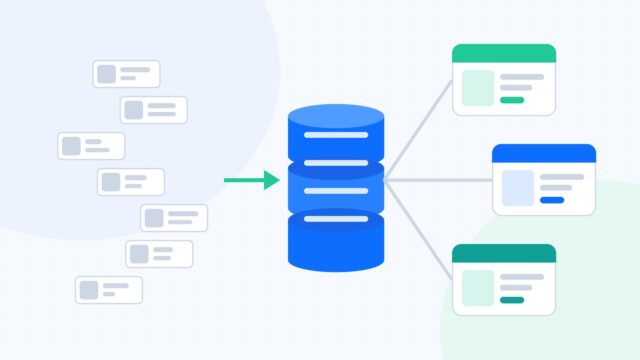
Ecommerce catalog management guide: structure product data, attributes, variants, SEO content, syndication and QA, plus when to outsource to a dedicated team.
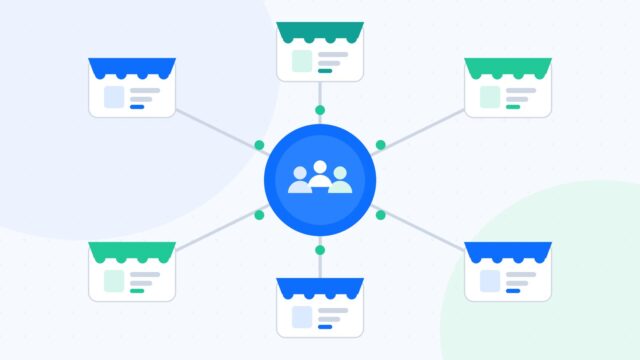
Marketplace management outsourcing explained: what to hand off, in-house vs agency vs dedicated team, and how to choose a partner to scale Amazon and Walmart.
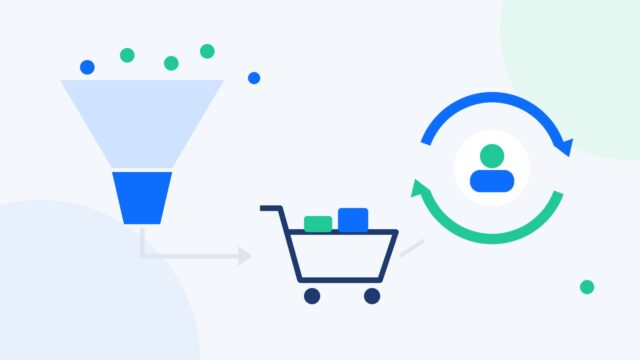
Ecommerce sales enablement for DTC and B2B brands: the content, tools, processes, team and KPIs that turn traffic into first orders and repeat revenue.
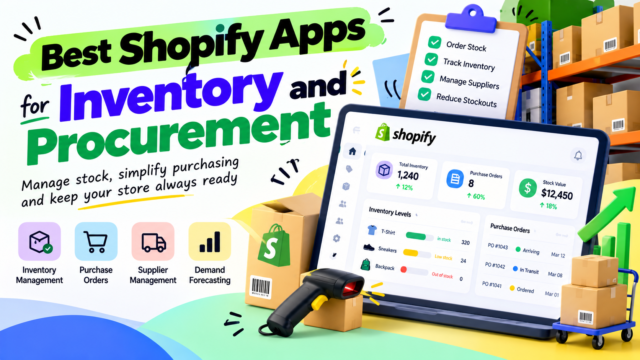
Compare the best Shopify apps for inventory and procurement in 2026: pricing, purchase orders, forecasting, and who acts when a low stock alert fires.
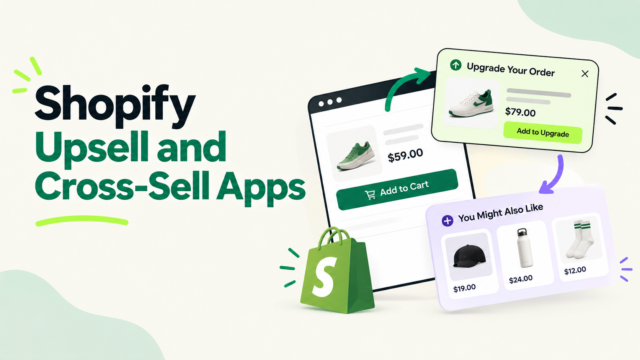
Which Shopify upsell and cross-sell apps actually lift AOV? See where to place each offer, the profit math per order, and how to test results.
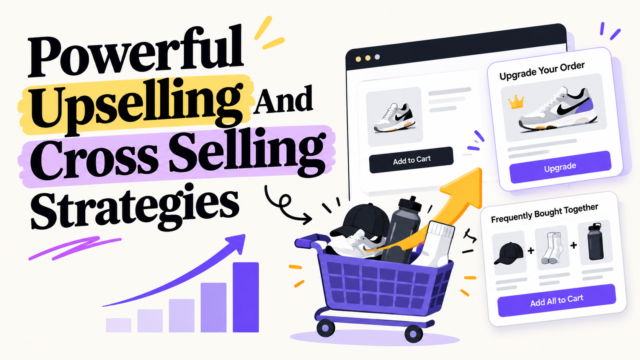
10 upselling and cross selling strategies that grow ecommerce revenue: where each offer goes, how to price it, and how to tell if it makes money.
Sales team outsourcing explained: real 2026 costs vs an in-house rep, pricing models, pros and cons, when it fails, and the 5-step REACH plan to launch it.
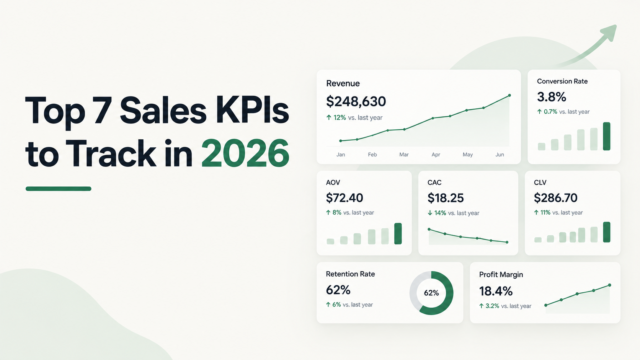
The 7 sales KPIs that drive revenue, plus 8 bonus KPIs, with simple formulas, USD examples, a sample scorecard and a 20-minute weekly review to improve each.