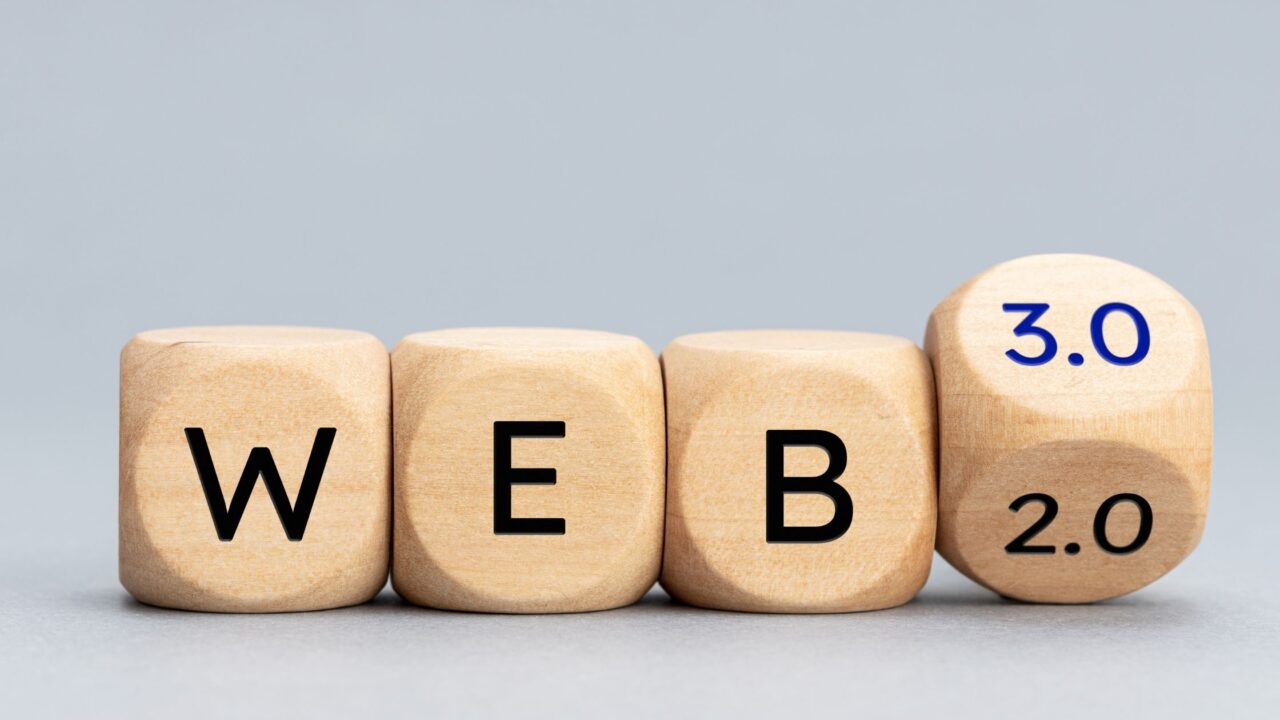
The real difference between Web 2.0 And Web 3.0 is that Web 2.0, or the second generation of the internet, emphasizes social media cooperation and user-generated content. Web 3.0, on the other hand, places more of an emphasis on decentralized technologies like blockchain, machine learning, and artificial intelligence. The change from Web 2.0 to Web 3.0 is best defined as the move away from user-generated content and towards a more intelligent, decentralized, and privacy-focused online.
One MarketsandMarkets forecast projects the Web 3.0 market to grow at a compound annual growth rate (CAGR) of 44.9%, from USD 0.4 billion in 2023 to USD 5.5 billion by 2030. Web/services that fall under Web 2.0 are folksonomies, blogs, and hosted services. Web 3.0 technology examples are cryptocurrency, artificial intelligence, metaverse, NFTs etc
Key Takeaways
- Web 2.0 is the centralized, platform-owned web of social media, blogs and user-generated content.
- Web 3.0 (a term used for both the Semantic Web and blockchain-based Web3) aims for a decentralized, user-owned web powered by blockchain, linked data and AI.
- The key differences are data ownership, decentralization, the role of AI and application types; Web 2.0 apps are still faster today.
Features of Web 2.0
- Web 2.0 platforms promote user cooperation and information exchange, making the online experience more dynamic.
- AJAX, which stands for asynchronous JavaScript and XML, allows for smooth real-time data changes without necessitating a complete page reload, making websites more responsive.
- Users may now access and collaborate on documents and data from any internet-connected device thanks to the trend towards web-based apps like Gmail and Google Docs.
- Almost any internet-connected device, including multimedia consoles, TVs, and mobile devices, may now access web content as a result of Web 2.0.
- User participation in content production, issue-solving, and decision-making is enabled via Web 2.0 platforms that make use of collective intelligence.
Features of Web 3.0
- Semantic technologies facilitate more intelligent information processing by enabling machines to interpret data. Better context-aware apps and enhanced search results are made possible by this.
- Web 3 is a decentralized internet that protects your personal information with blockchain technology.
- Web 3.0 uses artificial intelligence to provide accurate results more quickly and to provide real-time insights.
- The utilization of open-linked data, which enables the connection and interlinking of various datasets, is encouraged by Web 3.0. The discoverability and accessibility of the information are improved by this interconnection.
- Improved system, platform, and application compatibility is the goal of Web 3.0. This facilitates smooth communication and data transmission via the Internet. It is the same API-first thinking behind headless commerce.
Difference Between Web 2.0 And Web 3.0
1. Data handling
Web 2.0 focuses on user-generated formats and takes the help of a centralized platform. While on the other hand web 3.0 is a decentralized network built using blockchain technology. It lessens data control in a centralized format and promotes a more transparent and user-centric approach.
2. Artificial intelligence
As previously mentioned web 2.0 focuses on user-generated content and collaboration. In the case of Web 3.0 artificial intelligence plays the main role. Web 3.0 integrates AI that enhances user experience and makes passive interaction more intelligent. See how AI is redefining online retail today.
3. User experience
The user experience difference between Web 2.0 and Web 3.0 is that Web 2.0 places a strong emphasis on interactive experiences that increase user participation on sites like blogs and social media. Web 3.0, on the other hand, is concentrated on decentralized technologies that allow for enhanced security and AI-driven, personalized experiences. Web 3.0 seeks to provide consumers with an online experience that is both more immersive and secure than Web 2.0’s user-centric design. It is anticipated that Web 3.0 will alter user experiences by moving away from centralized to decentralized systems.
4. State of data
The state of data is one of the prominent factors in understanding the difference between Web 2.0 and Web 3.0. In the case of Web 2.0, the ownership of data is taken by the network and in Web 3.0 data an entity owns the data and there is freedom in sharing the data across the network.
5. Types of applications
Web 2.0 applications include data analysis, communication apps, and organization. One Web 2.0 Web application feature that aids in decision-making at all levels is data analysis. Task management is aided by integrated software in Web 2.0. Web 2.0 communication tools that have been combined and enhanced to enable users to build communities and exchange information are called communication applications.
Web 3.0 applications include Machine learning, NFTs, metaverse, cryptocurrencies etc.
6. Content Ownership Principle
Web 2.0 and Web 3.0 can be distinguished by how they handle data interchange and storage. Due to its reliance on centralized servers, Web 2.0 had security and accessibility problems. By enabling flexible, decentralized data interchange and allowing information to exist at several sites simultaneously, Web 3.0 overcomes these difficulties. Web 3.0 finds content-based information and encourages decentralization, whereas Web 2.0 relies on fixed locations and HTTP for data retrieval. For how AI is already strengthening security on today’s web, read leveraging AI in cybersecurity.
Web 2.0 transfers are still faster than Web 3.0 despite these improvements. The network’s uneven distribution of centralization and decentralization makes no network fully autonomous or controllable, which puts the interests of large Internet companies in jeopardy.
Read All About: Top Emerging Technologies Driving E-commerce
Conclusion: Web 2.0 vs Web 3.0
The real difference lies in data handling, where Web 2.0 relies on a centralized platform for user-generated content, while Web 3.0, built on blockchain, promotes transparency and user-centricity. Artificial intelligence plays a crucial role in Web 3.0, enhancing user experience and enabling passive, intelligent interaction. User experience varies, with Web 2.0 emphasizing interactive content, and Web 3.0 focusing on decentralized technologies and personalized, secure experiences. The state of data ownership differs, as Web 2.0 places it in the network’s hands, while Web 3.0 allows entities to own and share data freely. Application types distinguish the two, with Web 2.0 including data analysis and communication, and Web 3.0 featuring machine learning, NFTs, and cryptocurrencies. The content ownership principle underscores the contrast, showcasing Web 2.0’s reliance on centralization and Web 3.0’s move towards decentralization.