Artificial intelligence (AI) and analytics are transforming industries across the board. From healthcare and finance to retail and manufacturing, AI and analytics are driving innovation and helping organizations to unlock new levels of efficiency, productivity, and profitability. In this article, we’ll take a closer look at how AI and analytics are transforming industries and changing the way we live and work.
Key Takeaways
- AI and analytics help organizations make faster, more accurate decisions from their data.
- Predictive maintenance is a shared use case across manufacturing, transportation, and energy.
- In retail and ecommerce, the biggest wins come from inventory optimization, personalization, and AI-powered customer support.
- Healthcare, finance, education, and agriculture use the same tools to improve outcomes, reduce risk, and cut waste.
How AI and Analytics Are Transforming Key Industries
AI and Analytics in Healthcare
AI and analytics are revolutionizing healthcare by enabling faster and more accurate diagnosis, more efficient treatment, and better patient outcomes. For example, AI-powered medical imaging is helping doctors to detect and diagnose diseases such as cancer, stroke, and heart disease at an earlier stage, which can lead to better treatment options and improved survival rates. In addition, analytics is helping healthcare providers to identify patterns and trends in patient data, which can be used to develop more effective treatments and therapies.
AI and Analytics in Finance
AI and analytics are transforming the finance industry by improving risk management, fraud detection, and customer service. For example, AI-powered chatbots and virtual assistants are helping banks and financial institutions to provide 24/7 customer support, while analytics is enabling more accurate credit scoring and risk assessment. In addition, AI and analytics are being used to detect and prevent financial fraud, which can save organizations billions of dollars each year.
AI and Analytics in Retail
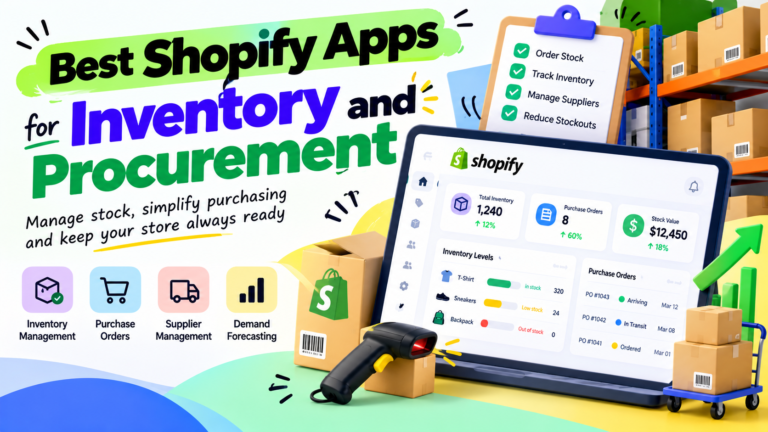
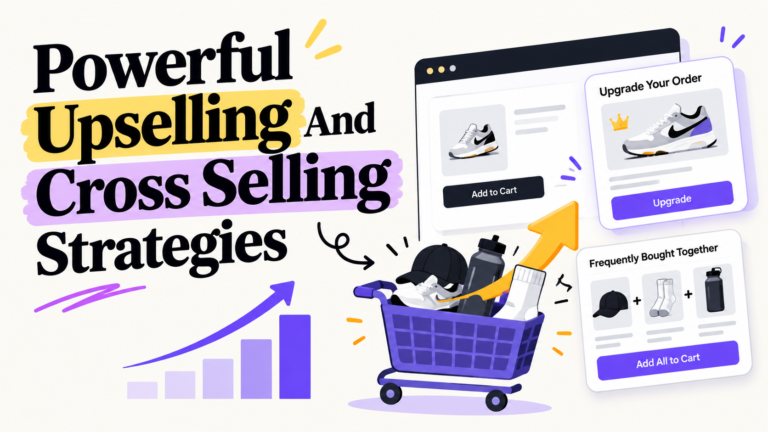
AI and analytics are transforming the retail industry by improving supply chain management, enhancing customer experience, and increasing sales. For example, AI-powered inventory management systems are helping retailers to optimize stock levels and reduce waste, while analytics is being used to analyze customer data and develop personalized marketing campaigns. In addition, AI-powered chatbots and virtual assistants are providing customers with personalized support and recommendations, which can help to improve customer satisfaction and loyalty.
AI and Analytics in Manufacturing
AI and analytics are transforming the manufacturing industry by improving efficiency, productivity, and quality control. For example, AI-powered predictive maintenance systems are helping manufacturers to identify potential equipment failures before they occur, which can reduce downtime and increase productivity. In addition, analytics is being used to analyze production data and identify areas for improvement, which can lead to higher quality products and reduced waste. The same approach is reshaping logistics, as covered in our guide to AI and machine learning in the supply chain.
AI and Analytics in Transportation
AI and analytics are transforming the transportation industry by improving safety, reducing costs, and enhancing customer experience. For example, AI-powered predictive maintenance systems are helping airlines to identify potential maintenance issues before they occur, which can reduce downtime and improve safety. In addition, analytics is being used to optimize routes and schedules, which can reduce fuel costs and improve customer experience.
AI and Analytics in Energy
AI and analytics are transforming the energy industry by improving efficiency, reducing costs, and increasing sustainability. For example, AI-powered predictive maintenance systems are helping energy companies to identify potential equipment failures before they occur, which can reduce downtime and improve efficiency. In addition, analytics is being used to optimize energy usage and reduce waste, which can lead to lower costs and a more sustainable future.
AI and Analytics in Education
AI and analytics are transforming the education industry by improving student outcomes, enhancing teaching methods, and reducing costs. For example, AI-powered learning platforms are helping to personalize education and provide students with more individualized support. In addition, analytics is being used to analyze student data and identify areas for improvement, which can lead to better student outcomes and reduced costs.
AI and Analytics in Agriculture
AI and analytics are transforming the agriculture industry by improving crop yield, reducing waste, and increasing sustainability. For example, AI-powered precision farming systems are helping farmers to optimize irrigation, fertilization, and pest control, which can increase crop yield and reduce waste. In addition, analytics is being used to analyze weather and soil data, which can help farmers to make more informed decisions and reduce the environmental impact of their operations.
Conclusion
AI and analytics are transforming industries in numerous ways, from improving efficiency and reducing costs to providing personalized experiences and improving outcomes. As these technologies continue to advance, we can expect to see even more innovation and transformation in the years to come. It is important for businesses and individuals to embrace these changes and take advantage of the opportunities they present. A practical first step is learning how to choose the right AI and analytics tools for your own organization.