The most reliable way to stabilize sales is to stop depending only on new customers. Keep a written plan for slow periods, invest in customer success so existing clients stay and buy again, upsell and cross-sell to raise order value, use sales data to target the right buyers, and automate follow-ups so no lead slips through.
Key Takeaways
- Sales dip in every market; a plan with past case studies, forecasts, and useful content keeps prospects confident when numbers fall.
- Customer success management protects your base revenue by keeping current clients happy and buying.
- Upselling and cross-selling raise revenue per customer without the cost of acquiring new ones.
- Analytics show which customers, channels, and funnel stages deserve your effort, and automation keeps the process consistent.
Every business wants steady, growing sales, but markets move and sales fluctuate. When things are going well, it is easy to stop thinking about process. The trouble starts when sales drop and cash gets tight. Below are five sales techniques that help keep revenue steady regardless of market conditions.
Why Are Sales Techniques Important?
Sales techniques help salespeople communicate clearly with customers, listen, and understand what they actually need. They also help you explain your value proposition, meaning what sets your product apart, in a way that influences buying decisions.
When customers raise objections, a good technique gives you a calm, structured response. Knowing the most common objections in advance makes them far easier to resolve. A defined sales process also improves productivity and cuts wasted effort, which leads to more closed deals. If you want a written version of that process for your team, start with a sales playbook.
Which Sales Techniques Help Stabilize Your Sales?
1. Always Have a Plan for Slow Periods
When sales go down, it is hard to stay positive and put extra effort into winning new customers. This is where preparation pays off. Case studies showing how you handled a similar slowdown in the past help prospects trust you. Putting real data and forecasts in front of a client, and sharing your plan for the months ahead, is one of the most dependable closing techniques.
Prospects may hesitate to work with you when your numbers are down. Useful content such as ebooks and video tutorials on getting the most from your product shows your expertise and gives them a reason to move forward.
2. Invest in Customer Success Management
Customer success management focuses on understanding each client’s goals and challenges. When you know what customers need, you can give them personalized guidance that helps them get results, and customers who get results stay. Regular, proactive communication also means problems get solved before they turn into cancellations.
Customer success also gives you a steady stream of feedback about clients’ challenges, experiences, and expectations. That feedback sharpens your understanding of the market and plays a big role in keeping sales stable. Our guide on how to turn first-time buyers into repeat customers covers practical ways to do this in ecommerce.
3. Use Upselling and Cross-Selling
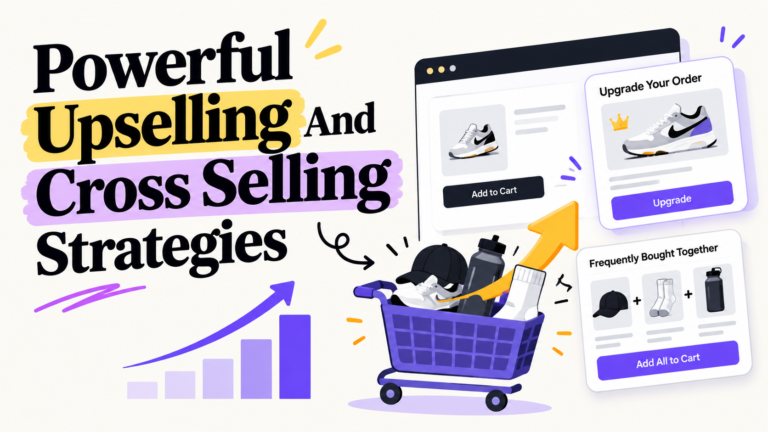
Upselling means encouraging customers to buy a higher-priced or upgraded version of the product they already want. Explaining the extra features, benefits, and better experience of the upgrade increases the chance they choose it. Done well, upselling raises revenue per customer and average order value.
Cross-selling means recommending products that complement the original purchase. It gives customers a more complete solution, strengthens the relationship, and lowers the share of revenue you need to buy through new customer acquisition. For specific tactics, see our upselling and cross-selling strategies.
4. Drive Sales With Analytics
Analytics-driven selling helps you find and target the right audience. Data on customer demographics, behavior, and buying patterns lets you define an ideal customer profile, so your team spends time on prospects who are most likely to buy. It also produces more accurate sales forecasts, which helps you plan resources and avoid surprises.
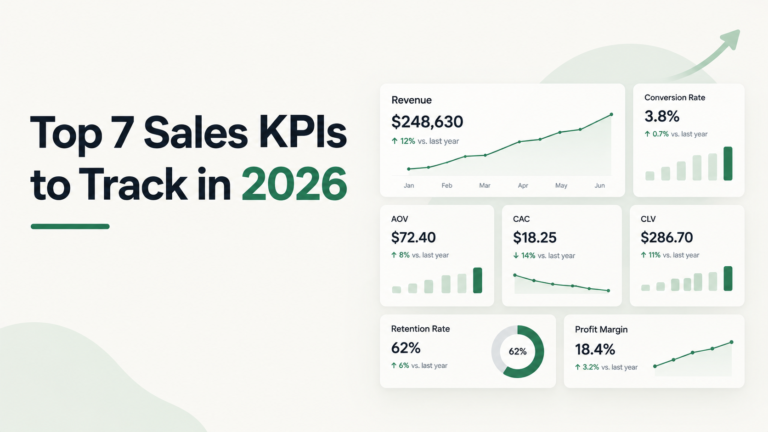
Data shows how well each stage of your sales funnel is working and where deals stall. Our guide on how to optimize your sales funnel explains how to fix weak stages, and these sales KPIs to track tell you which numbers to watch each week.
5. Automate Repetitive Sales Tasks
Sales automation uses software to handle repetitive work such as lead capture, follow-up emails, lead tracking, and reporting. It keeps engagement consistent, frees up time for real conversations, and makes upselling and cross-selling smarter because offers can be triggered by what a customer has already bought.
Automation also helps you define and enforce a standard sales process, so results depend less on who happens to handle a lead. If you are choosing tools, compare the top sales automation software for ecommerce teams.
How Do You Put These Techniques Into Practice?
Start with the technique that matches your biggest gap. If customers are leaving, focus on customer success. If order values are low, work on upsells and cross-sells. If the pipeline is unpredictable, fix your analytics and automate follow-ups. If you do not have the people to run this in-house, our sales enablement and account growth team can help.